Second World War Hospital Shelter

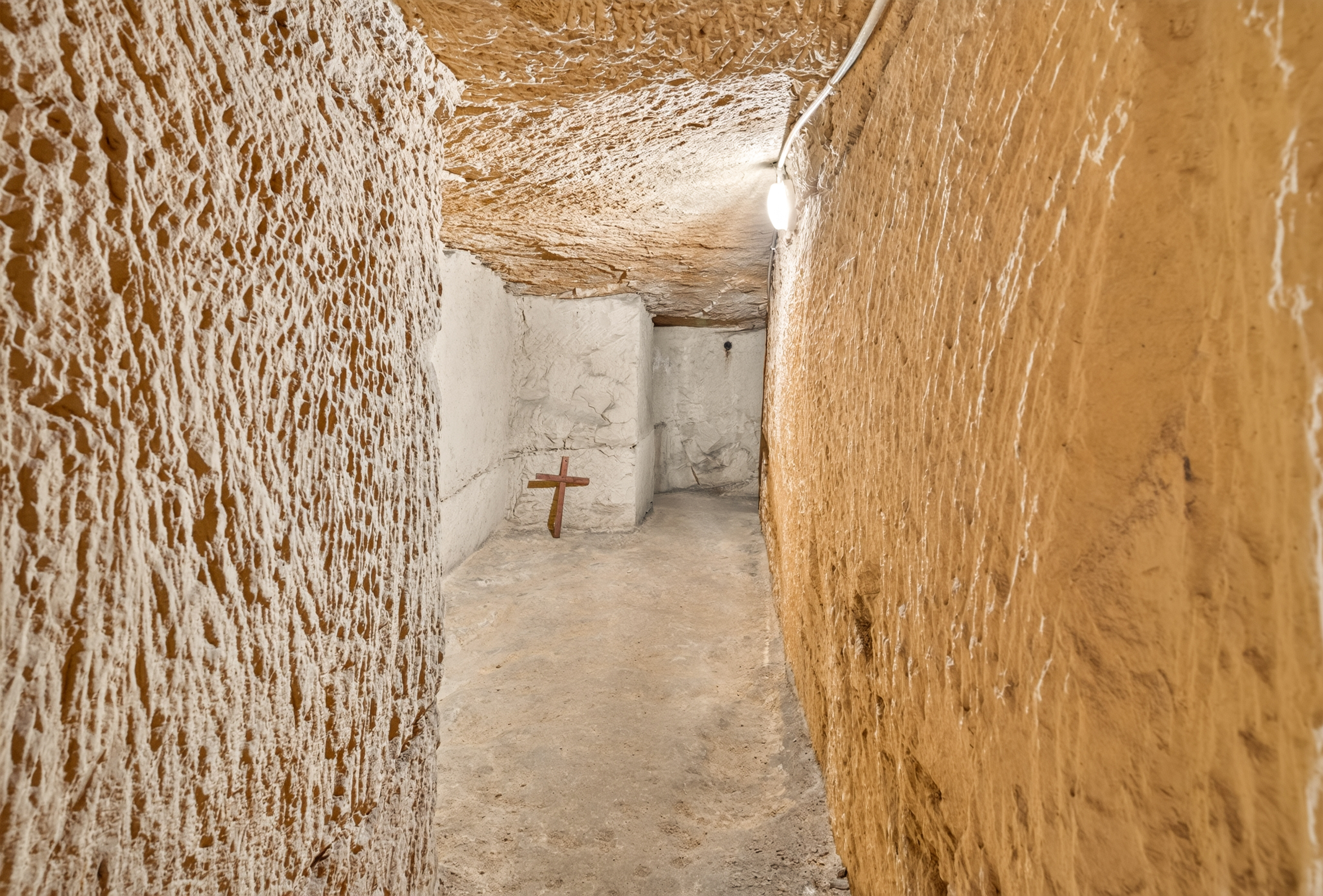
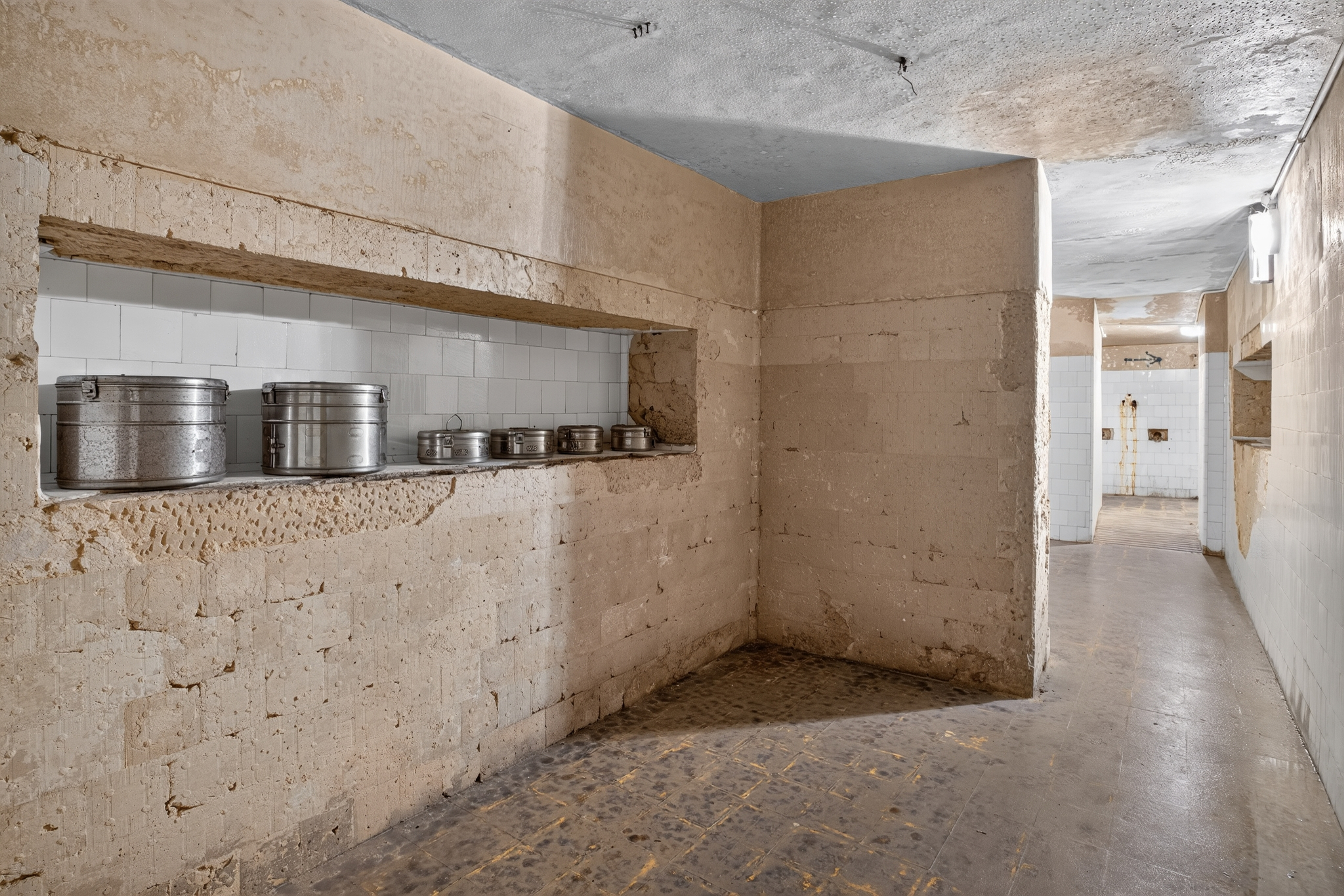
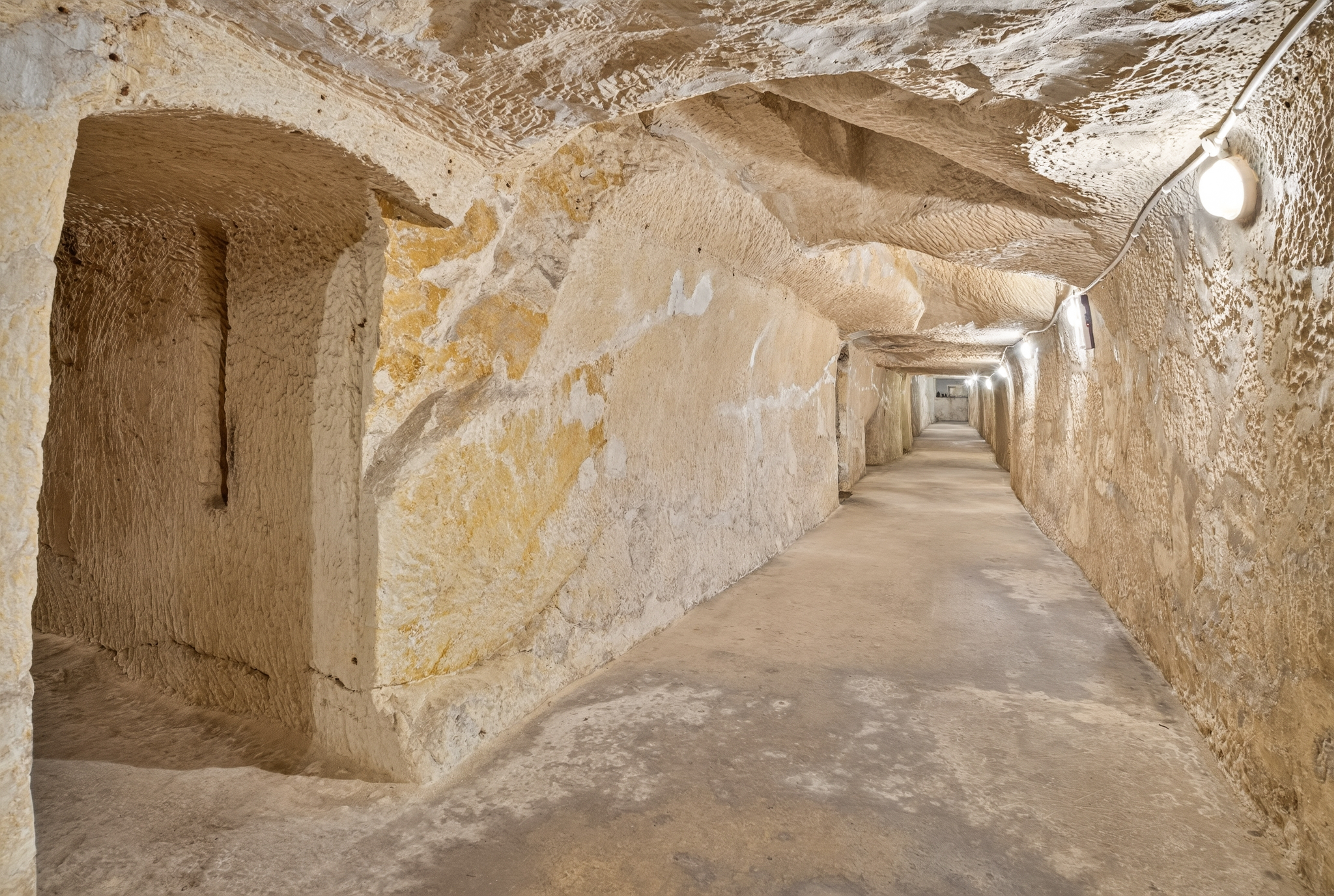
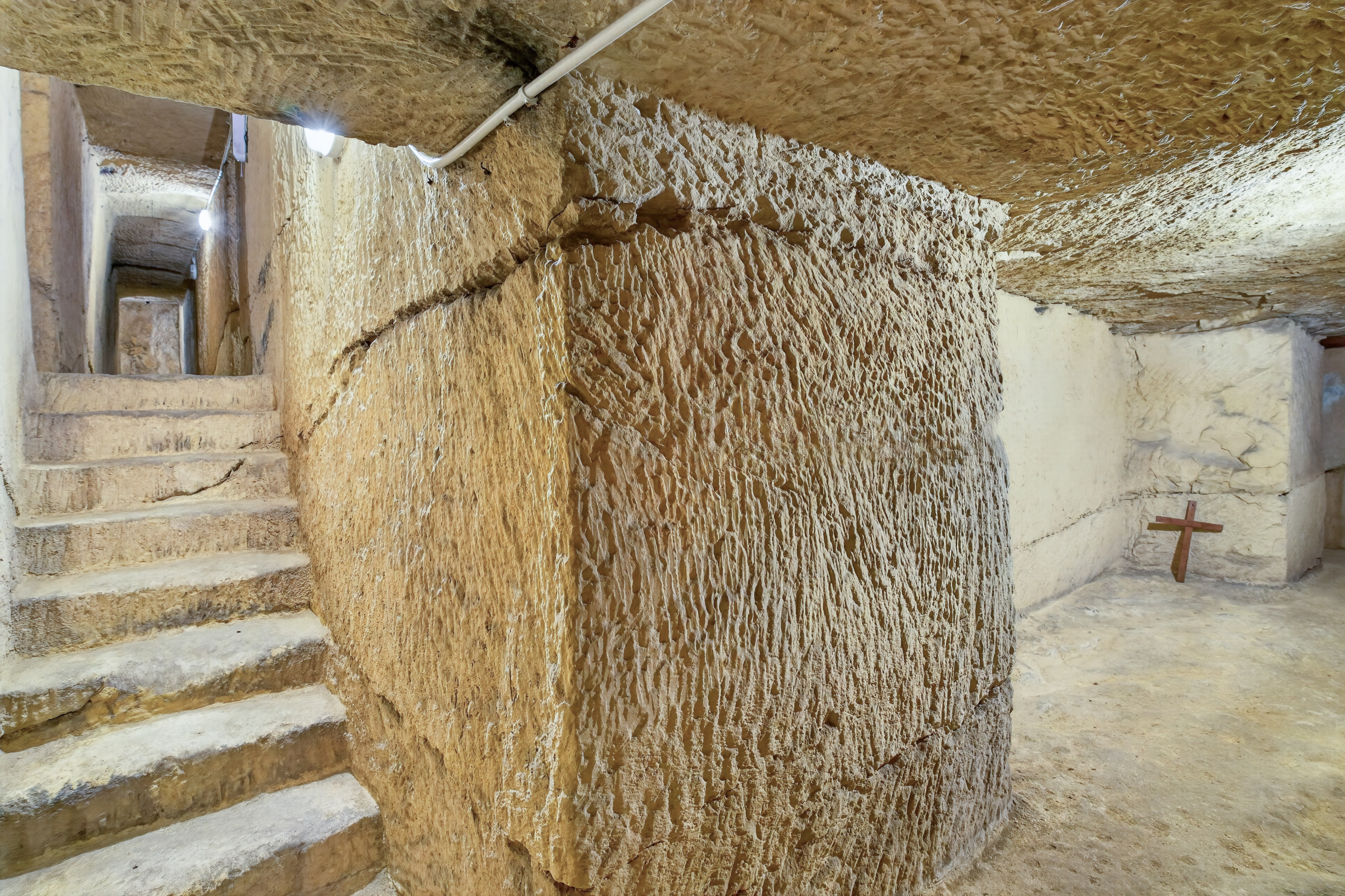
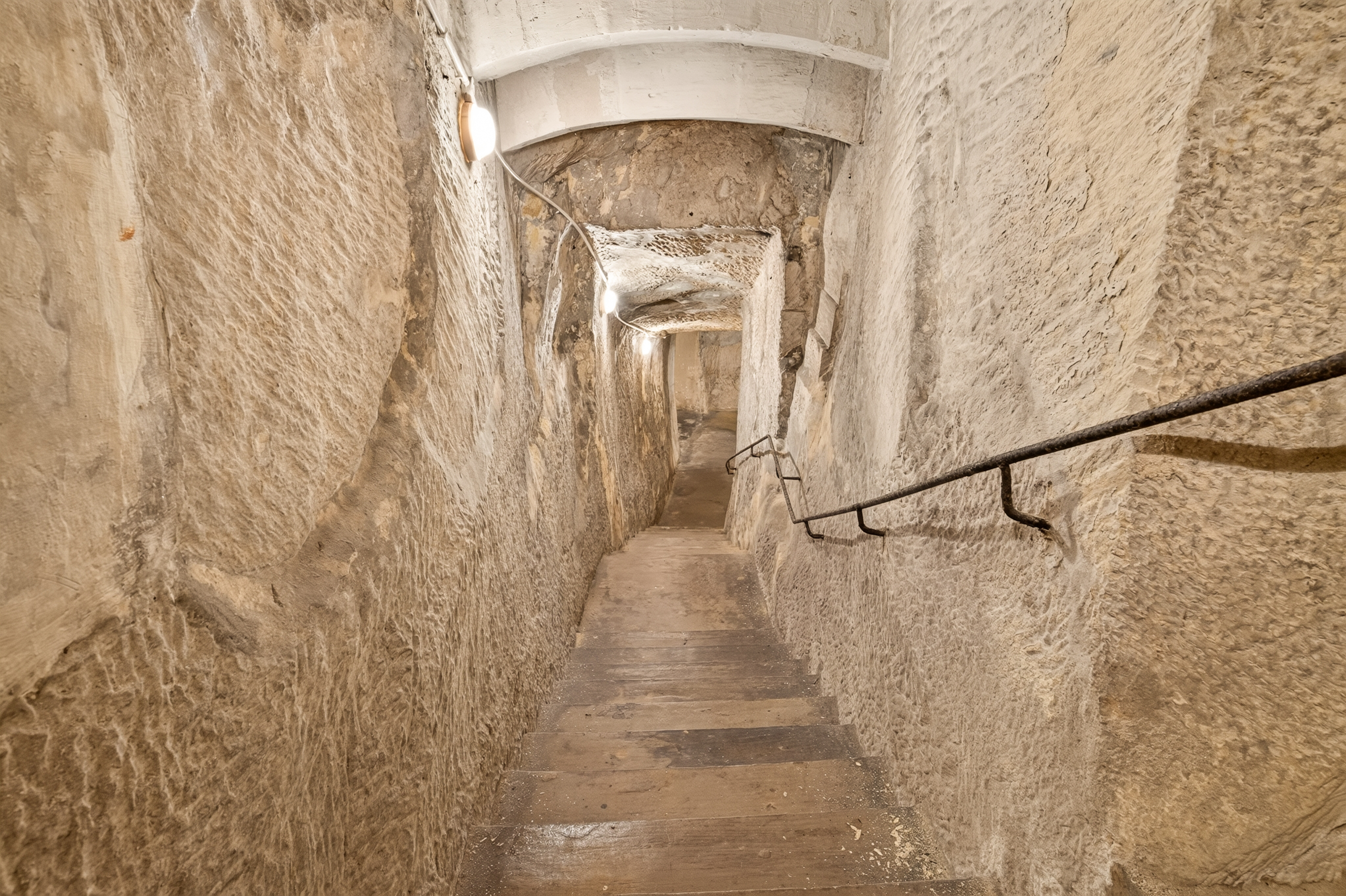
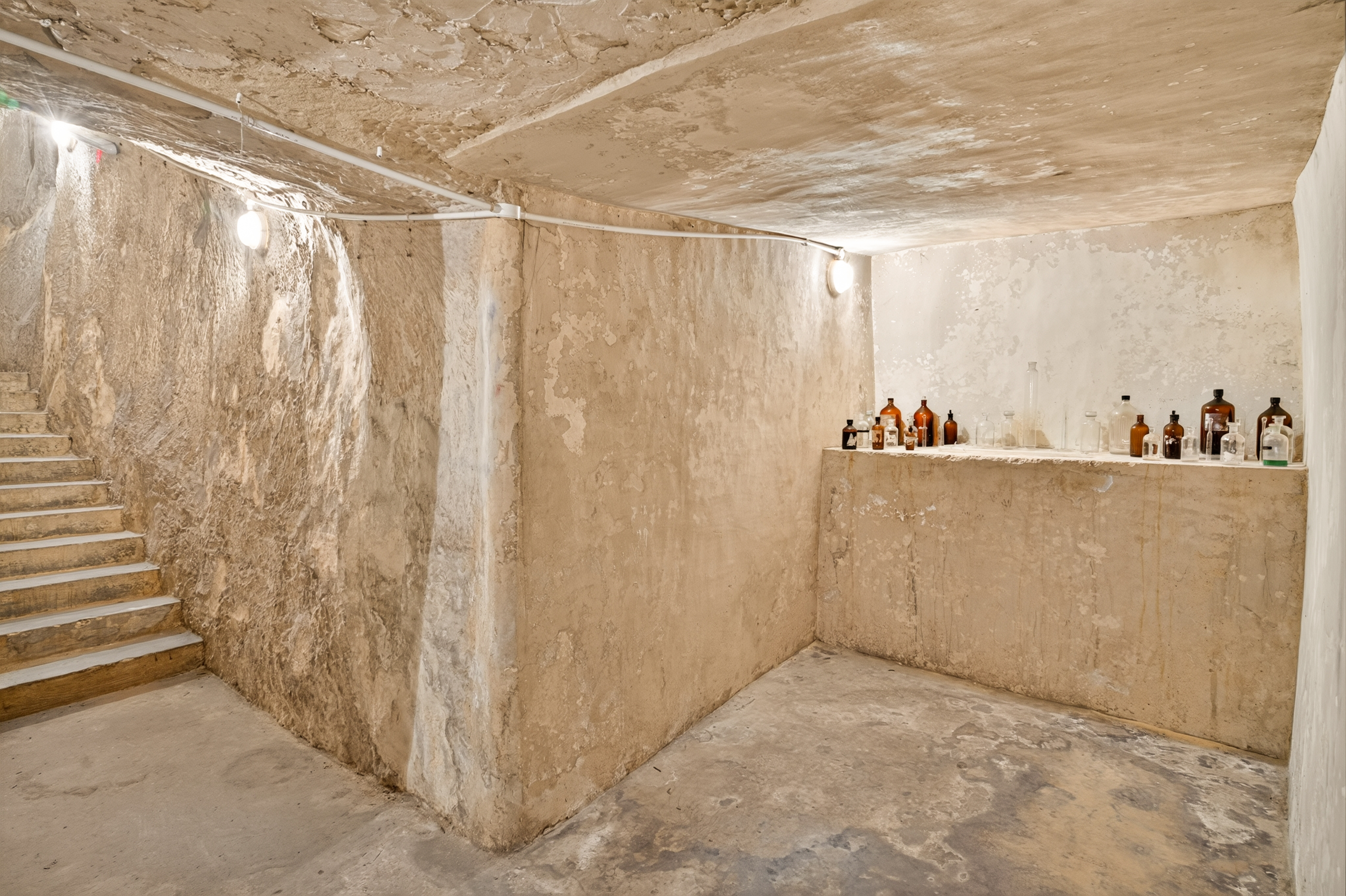
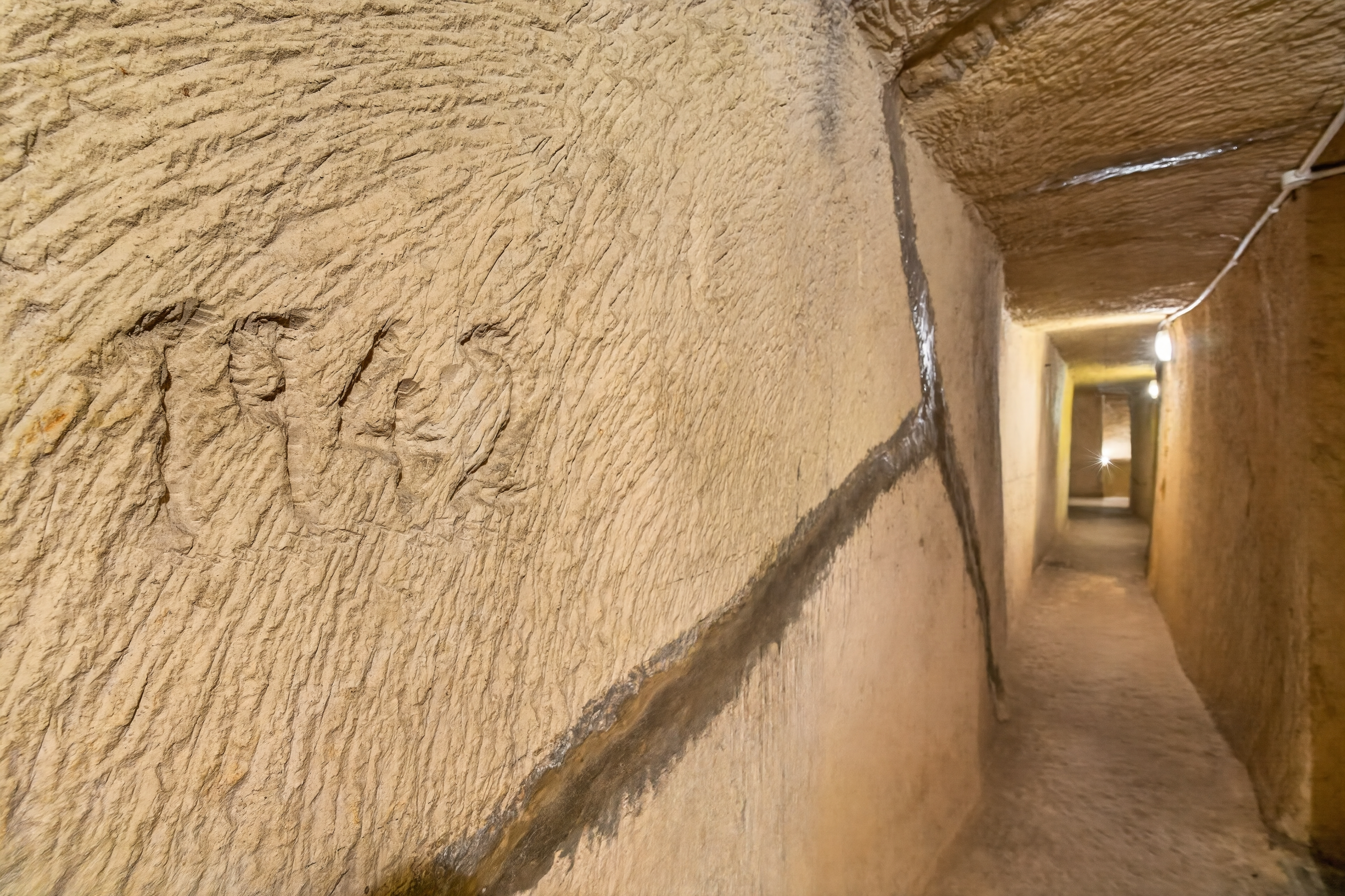
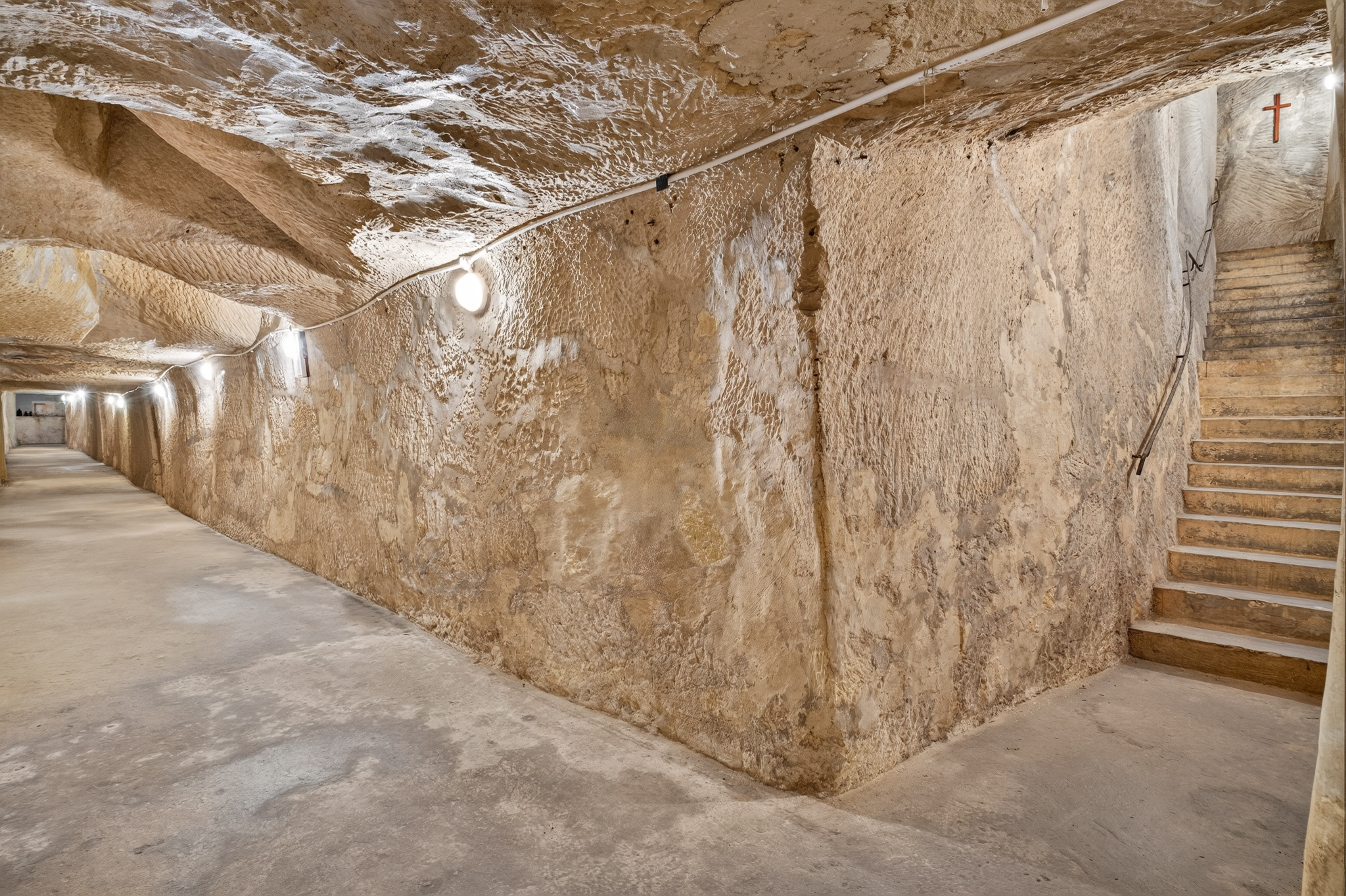
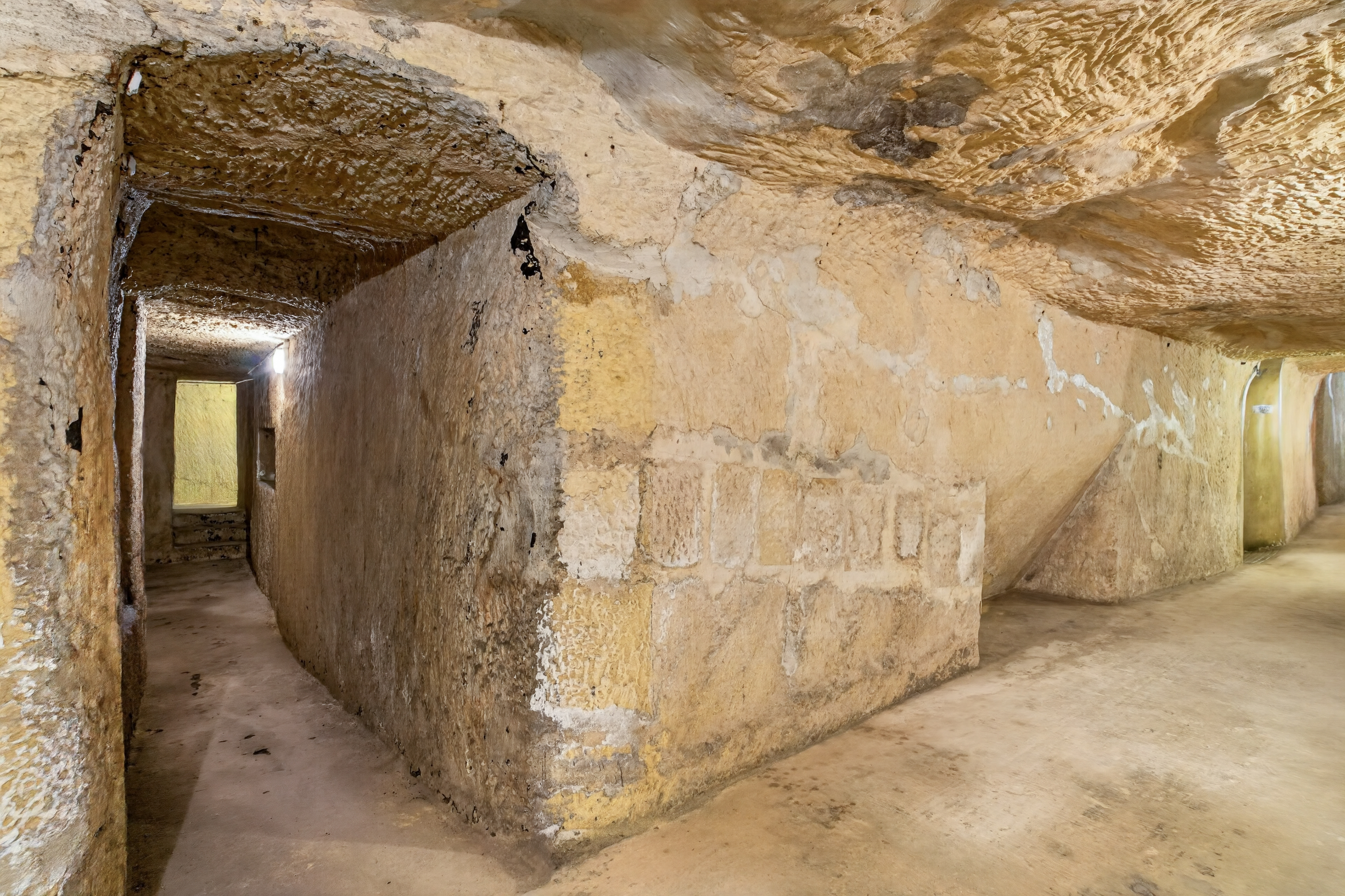
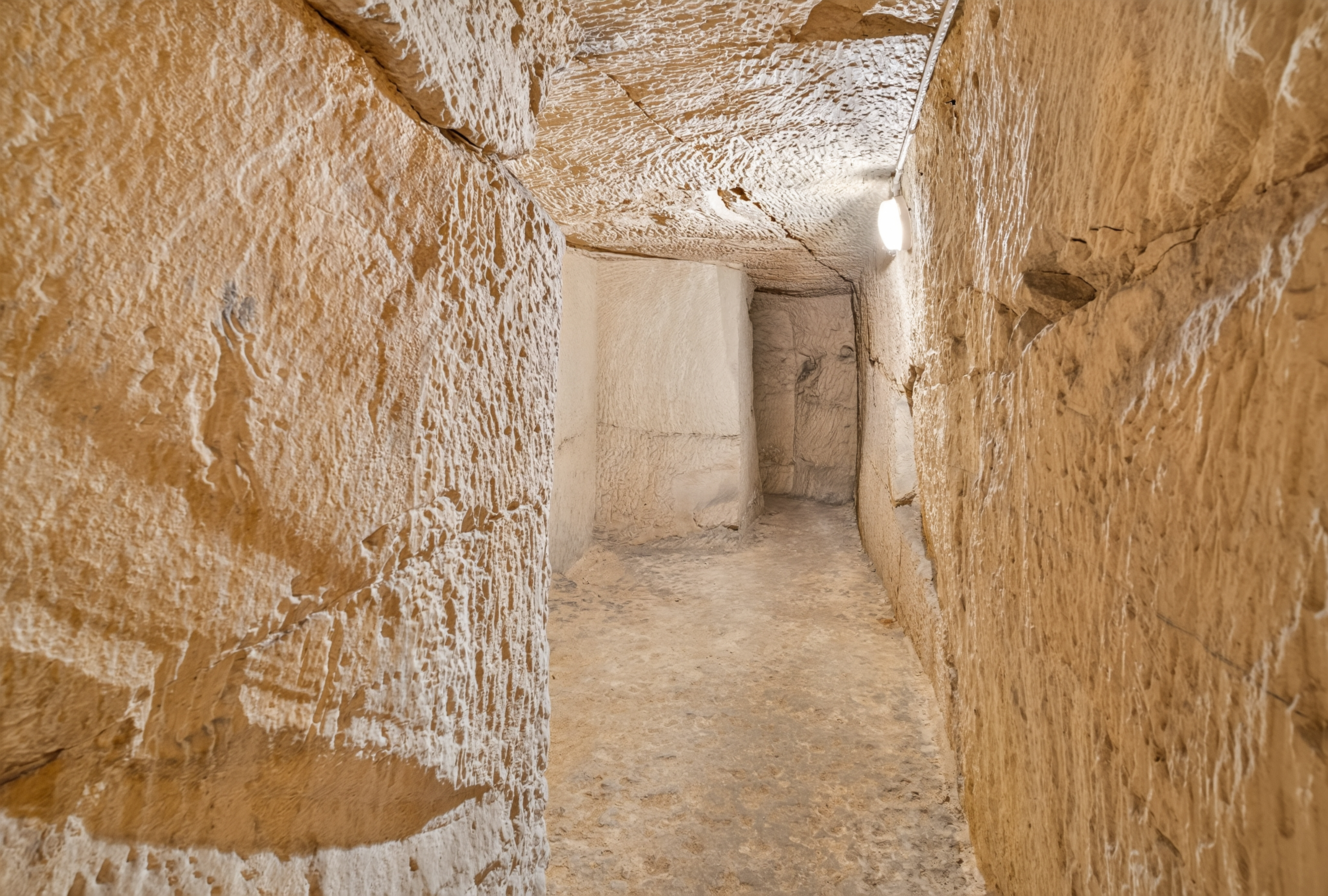
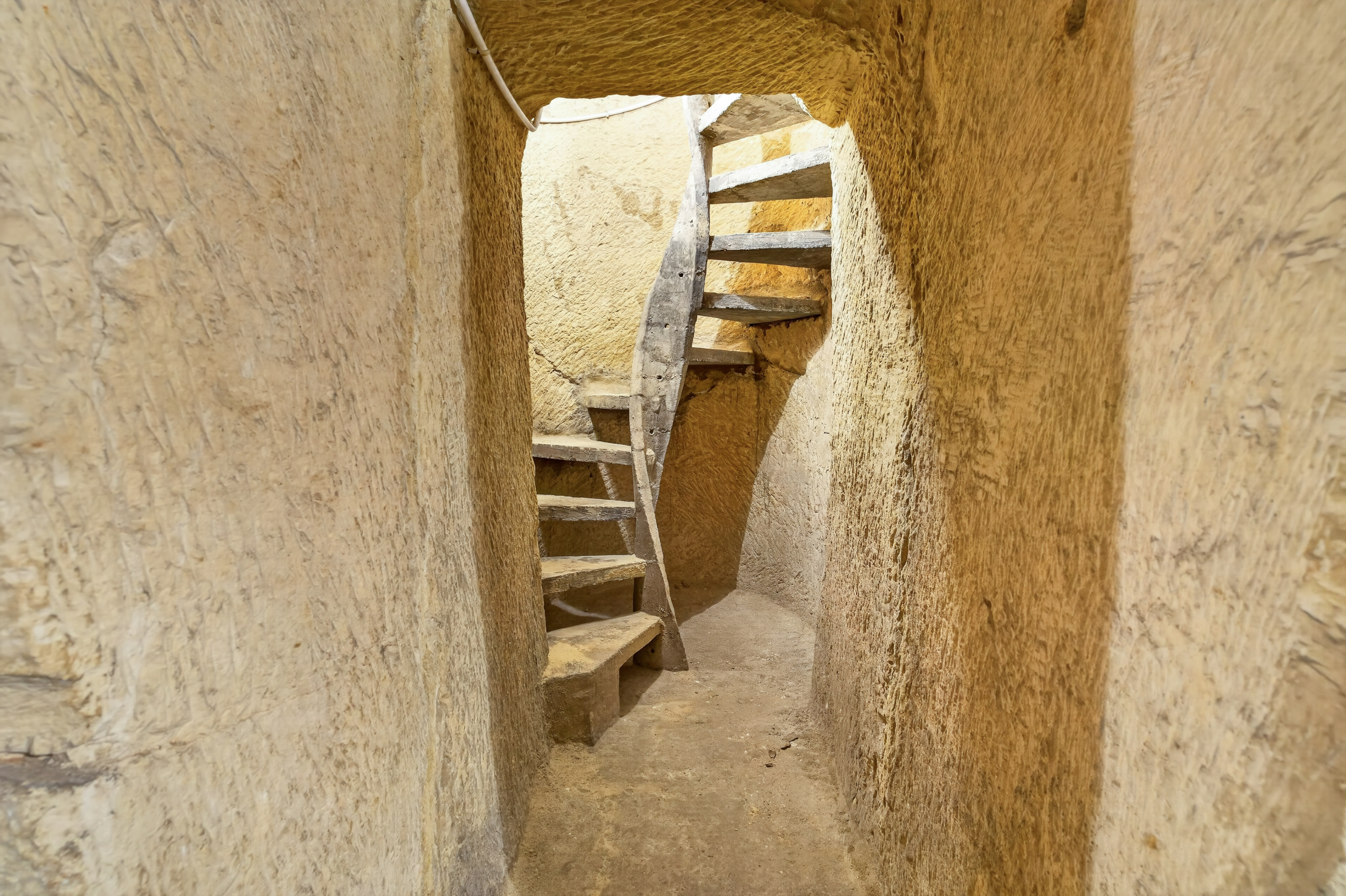
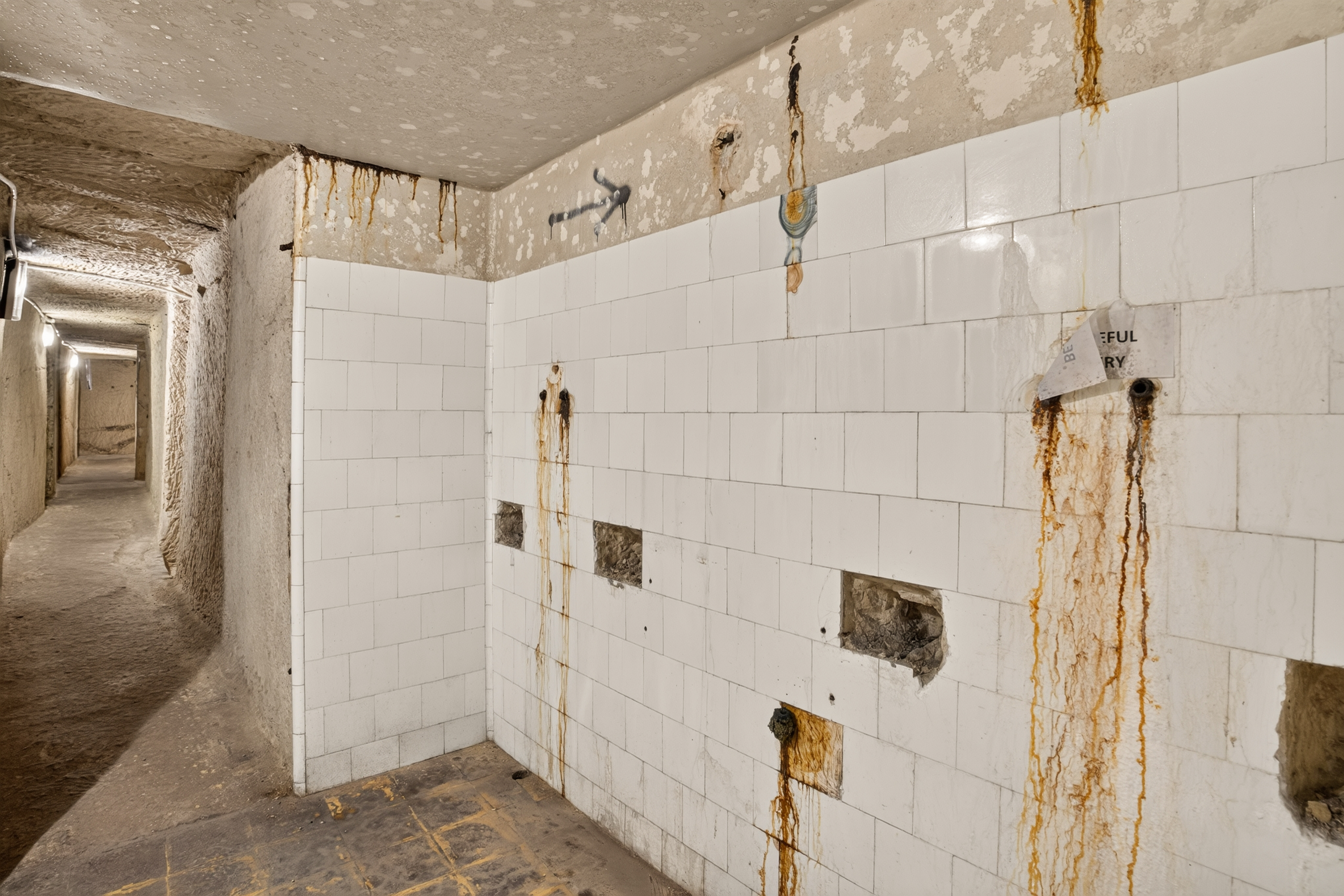
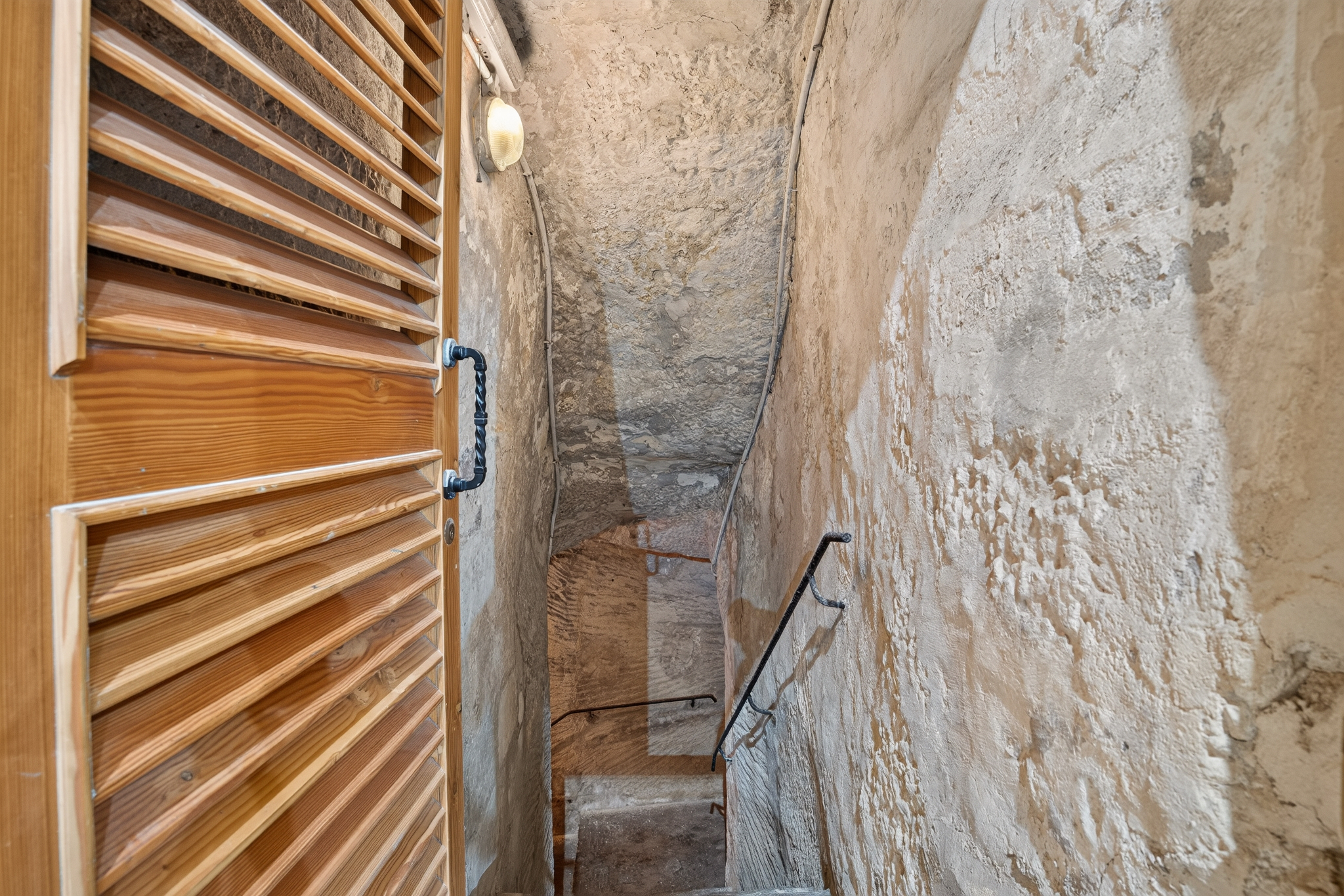
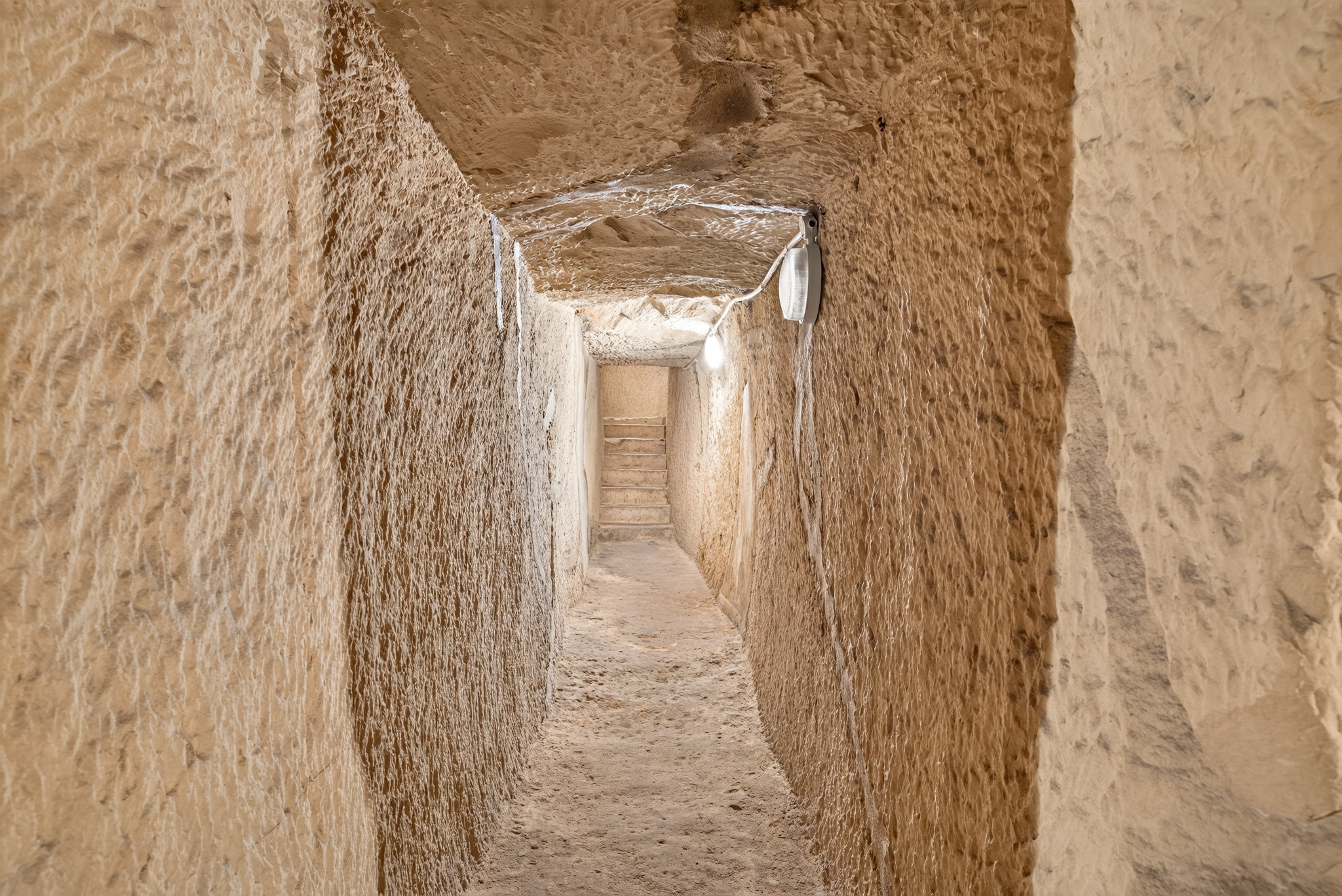
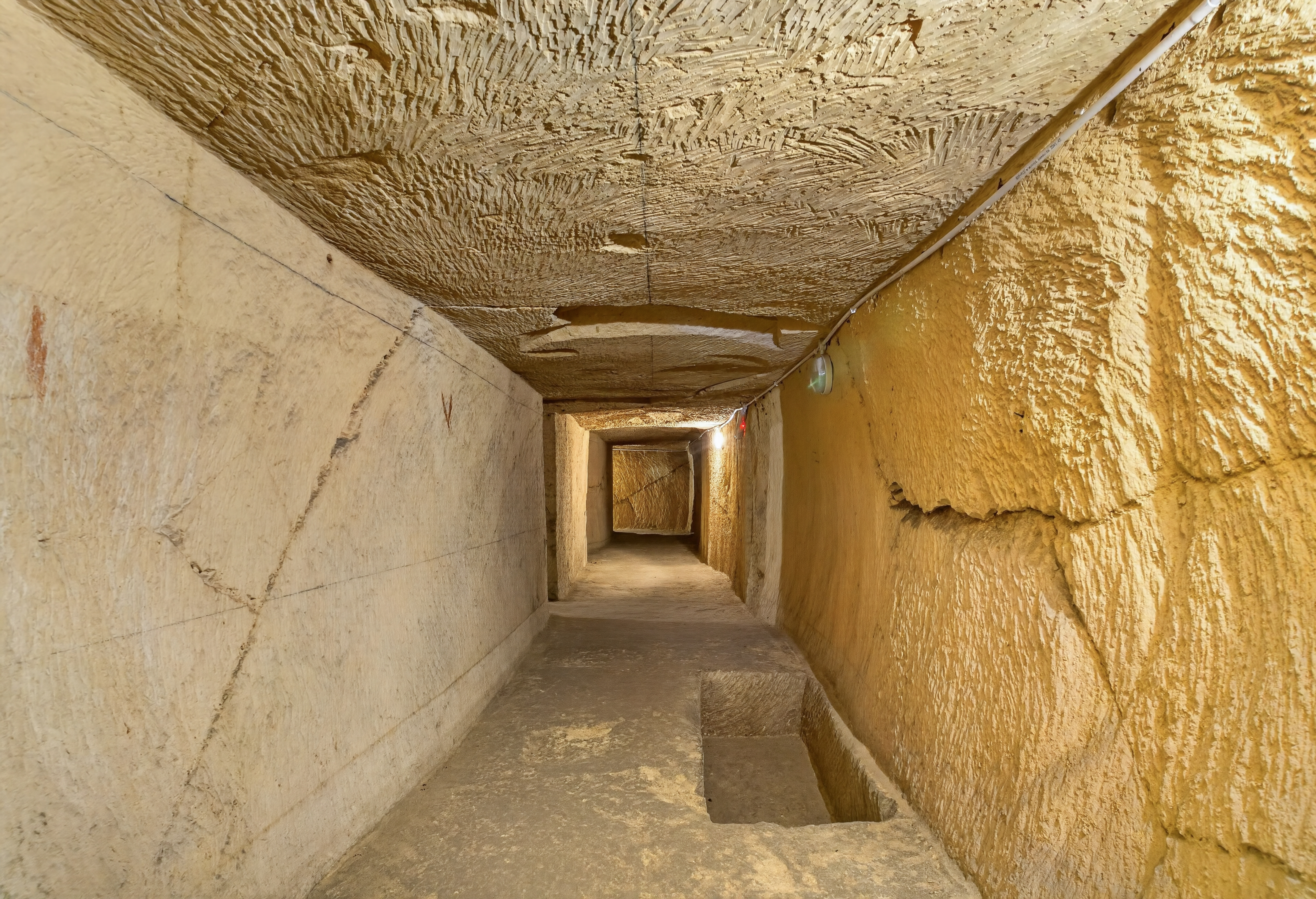
Beneath the Malta Police Force General Headquarters in St Calcedonius Square, Floriana, lies a Second World War hospital shelter which forms part of the historic fabric of the building and of Malta’s wartime heritage.

The building now occupied by the Malta Police Force has served several public functions over the centuries. The earliest part of the building was constructed in 1725 during the reign of Grand Master Manoel de Vilhena and was originally known as the Casa d’Industria. It was used for the education and training of poor girls from Floriana, Marina, Ħamrun and Pietà. In the nineteenth century, the building was enlarged and later converted into the Central Hospital, receiving patients from the Valletta Civil Hospital and other hospitals.

During the Second World War, the site was still in hospital use and formed part of Malta’s wartime medical infrastructure. Before Italy entered the war in June 1940, sections of the Central Hospital were transferred to other emergency hospitals in preparation for wartime casualties. In May 1941, the hospital was extensively damaged by enemy action, although no casualties were recorded.

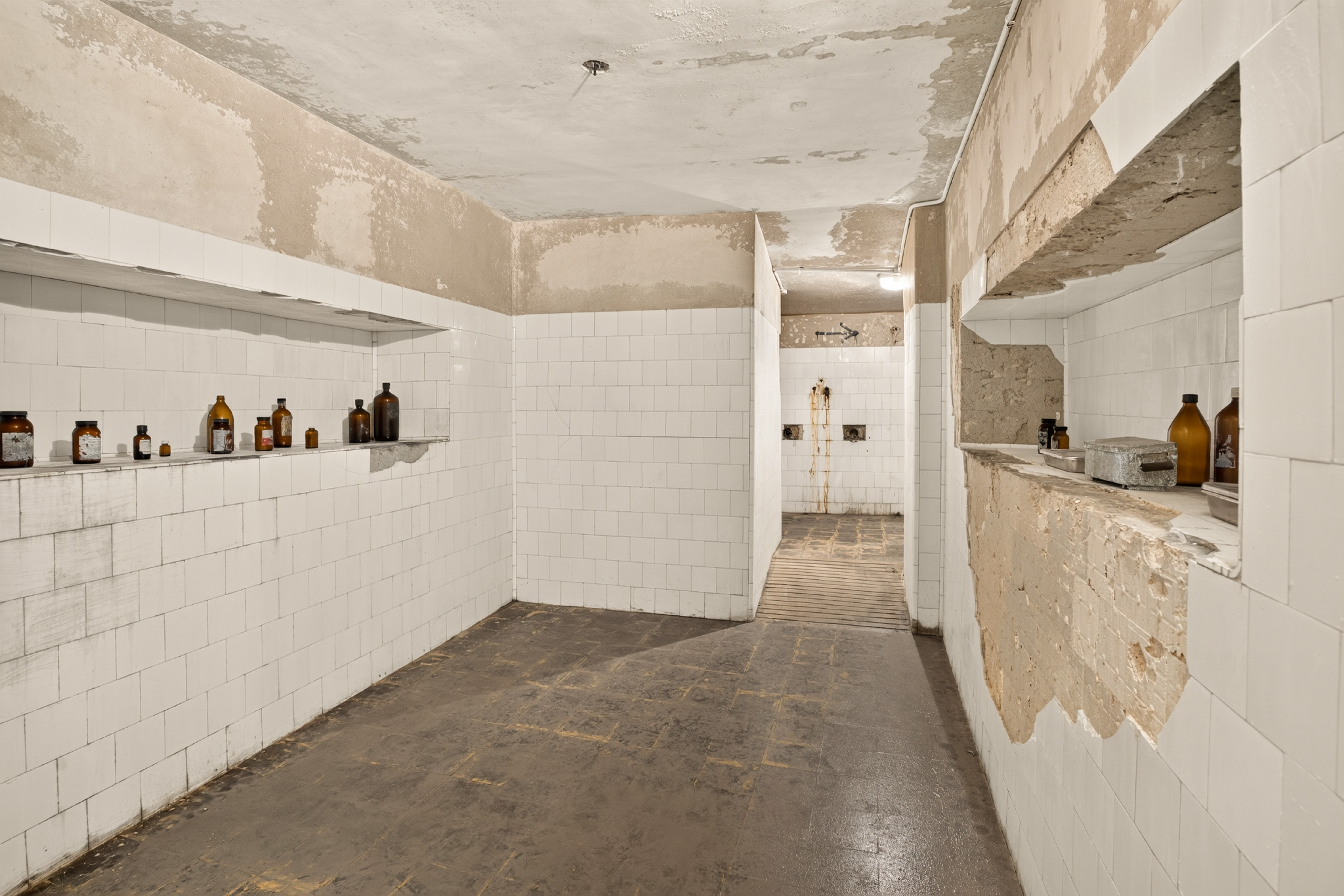
The shelters beneath the building were used during the war to protect and treat the most critical patients, reducing the need to move them during air raids. The shelter area also included two operating theatres, reflecting the medical role of the site during one of the most difficult periods in Malta’s history.

After the war, the Malta Police Force required new headquarters because its former premises had suffered major wartime damage. The former Central Hospital in Floriana was selected, and the Police started occupying the building on 15 March 1954. Although this was initially considered a temporary measure, the building became the permanent home of the Malta Police Force.

Today, the Second World War hospital shelter within Police General Headquarters stands as a physical reminder of Malta’s wartime experience, the island’s civil-defence and medical response, and the public-service history of this important Floriana landmark.